Neurosurgery Expert Witness
Services
Our neurosurgery division features board-certified neurosurgeons with deep experience in cranial and spinal surgery. Our experts provide expert testimony on traumatic brain injury, spine procedures, surgical complications, and standard of care issues across the full spectrum of neurosurgical practice.
Neurosurgery Experts
Board-certified physicians available to review cases and provide expert testimony in neurosurgery.
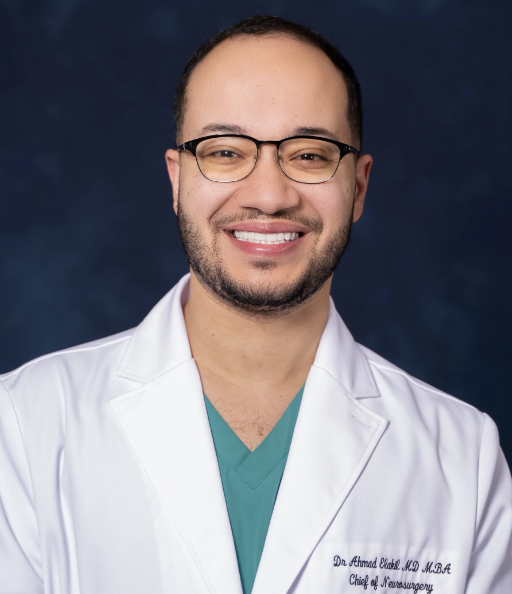
Neurosurgery Expert Witness Consulting
Neurosurgical litigation concerns high-stakes operative decisions — when to operate, how the procedure was performed, and how complications were managed — across cranial and spinal surgery. The operative note, imaging, and post-operative course are the core evidence, and credible opinions require a surgeon who performs the same procedures.
Our neurosurgeons maintain active operative practice. They evaluate surgical indication, intraoperative technique, decompression timing, and post-operative complication management against current neurosurgical standards.
Practice Areas
Our Neurosurgery specialists provide expert testimony across these core practice areas.
Traumatic Brain Injury
Neurosurgical management of acute TBI, decompressive craniectomy decisions, and ICP monitoring standard of care.
Spine Surgery
Cervical (ACDF), lumbar fusion (TLIF, XLIF), and thoracic procedures — surgical indications, technique, and complication analysis.
Spinal Cord Injury
Acute spinal cord injury surgical management, timing decisions, and post-operative care standards.
Craniotomy & Tumor Resection
Cranial procedures for tumor, aneurysm, and intracranial hemorrhage with focus on surgical decision-making.
Disc Herniation & Nerve Compression
Conservative vs. surgical management decisions, indications for intervention, and outcomes analysis.
Spinal Trauma & Abscess
Emergency surgical management of spinal trauma, infection, and post-operative complications.
Neurosurgery Cases We Handle
Attorneys retain our neurosurgery experts for matters including:
- Traumatic brain injury — decompressive craniectomy decisions and ICP management
- Cranial procedures for tumor, aneurysm, and intracranial hemorrhage
- Cervical and lumbar spine surgery — indication, technique, and complications
- Surgical timing in acute spinal cord injury
- Disc herniation and nerve-compression management decisions
- Wrong-level surgery, dural tears, and nerve injury
- Post-operative infection, hematoma, and failure to recognize complications
Questions Our Neurosurgery Experts Answer
Representative questions a neurosurgery expert can address on standard of care and causation:
Was surgery appropriately indicated, and was the timing consistent with the standard of care?
Was the operative technique, including level confirmation and instrumentation, appropriate?
Was an intraoperative or post-operative complication recognized and managed in time?
In acute SCI or cord compression, was decompression performed within the appropriate window?
More likely than not, did the surgical decision or technique cause the alleged injury?
Daubert & Admissibility Considerations
Operative-standard opinions are most credible from a surgeon who actively performs the same cranial or spinal procedures; we match accordingly to support admissibility.
Causation is tied to the operative note, imaging, and post-operative course, grounding the opinion in the case-specific record.
What to Expect When You Retain an Expert
Our process is built for litigation timelines — from conflict check to trial testimony.
1. Conflict check and intake
Send us the parties, the venue, and a short summary of the neurosurgery issue. We run a conflict check across our experts and confirm we can take the matter for your side, typically the same business day.
2. Expert match and fee schedule
We identify the board-certified neurosurgery expert whose subspecialty and active practice align with the specific clinical question, and provide that expert's CV and fee schedule — usually within one business day of a cleared conflict check.
3. Records review and preliminary merit assessment
The expert reviews the medical records, imaging, and relevant literature and gives you a candid preliminary read on standard of care and causation before you commit to a full written report. Expedited screening is available for discovery, deposition, and trial deadlines.
4. Written report and opinions
When the matter warrants it, the expert produces a signed report (or affidavit/declaration where required) setting out the standard of care, each identified deviation, and the causation analysis, supported by the records and published authority.
5. Deposition and trial testimony
The same expert is available for deposition and trial, with preparation sessions to ensure the opinions are communicated clearly and survive cross-examination and Daubert/Frye scrutiny.
Insights for Neurosurgery Litigation
Attorney-focused guides from our neurosurgery and related practice areas.
Why Choose ApexMedLaw for Neurosurgery?
Our Neurosurgery experts are board-certified physicians who maintain active clinical practices. This combination of litigation experience and real-world clinical involvement ensures authoritative, credible testimony that withstands Daubert scrutiny.
Subspecialty Alignment
Expert credentials match the specific medical issue at hand — not just general board certification.
Active Clinical Practice
All experts maintain active patient care, ensuring current knowledge of standards and clinical decision-making.
Litigation-Ready
Experienced in depositions, trial testimony, and Daubert challenges. We prepare thoroughly.
Multi-State Coverage
National reach with experts available for cases nationwide, any jurisdiction.